
Top AI Skills Employers Are Looking For in 2026
The artificial intelligence job market is evolving at an unprecedented pace. As we move through 2026, employers are seeking candidates with a unique blend of technical expertise and soft skills. Whether you're looking to break into the AI field or advance your career, understanding what skills are in highest demand can give you a significant competitive advantage.

1. Large Language Model (LLM) Development and Fine-Tuning
With the explosion of generative AI applications, expertise in working with large language models has become one of the most sought-after skills. Employers are looking for professionals who can fine-tune pre-trained models for specific use cases, implement retrieval-augmented generation (RAG) systems, and optimize model performance for production environments.
Key technologies to master include PyTorch, Hugging Face Transformers, and vector databases like Pinecone and Weaviate. Understanding techniques like LoRA (Low-Rank Adaptation) and PEFT (Parameter-Efficient Fine-Tuning) will set you apart from other candidates.

2. Prompt Engineering and AI Application Design
Prompt engineering has matured from a buzzword into a legitimate discipline. Companies need professionals who can design effective prompts, build robust prompt chains, and create AI-powered applications that deliver consistent, reliable outputs. This skill bridges the gap between AI capabilities and real-world business applications.
Designing system prompts for consistent AI behavior
Building multi-step reasoning chains
Implementing guardrails and safety measures
Optimizing token usage and reducing costs
3. MLOps and AI Infrastructure
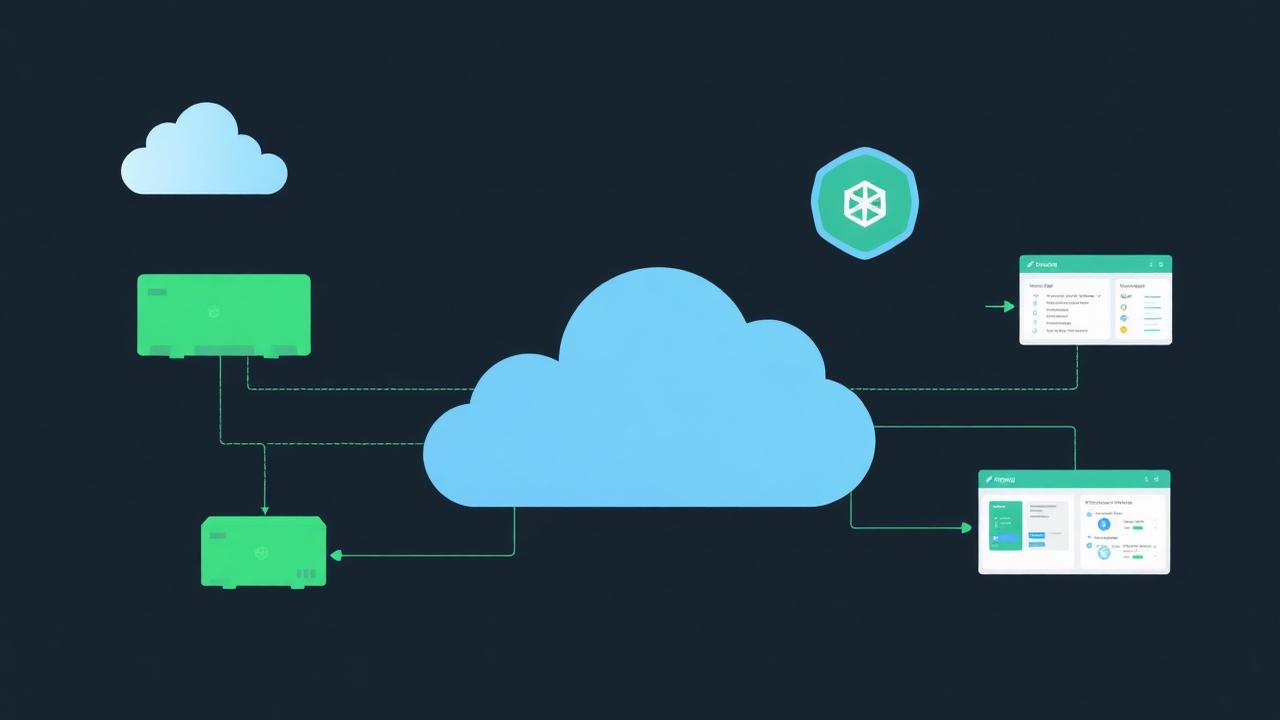
As AI moves from experimentation to production, MLOps skills have become critical. Employers want engineers who can deploy, monitor, and maintain AI systems at scale. This includes expertise in containerization, orchestration, model versioning, and continuous integration/continuous deployment (CI/CD) for machine learning pipelines.
Familiarity with tools like MLflow, Kubeflow, Weights & Biases, and cloud-native AI services from AWS, Google Cloud, and Azure is highly valued.
4. Computer Vision and Multimodal AI
The rise of multimodal AI models has created strong demand for computer vision expertise. Companies are building applications that combine text, images, video, and audio understanding. Skills in image recognition, object detection, video analysis, and integrating vision capabilities with language models are particularly valuable.
5. AI Ethics and Responsible AI
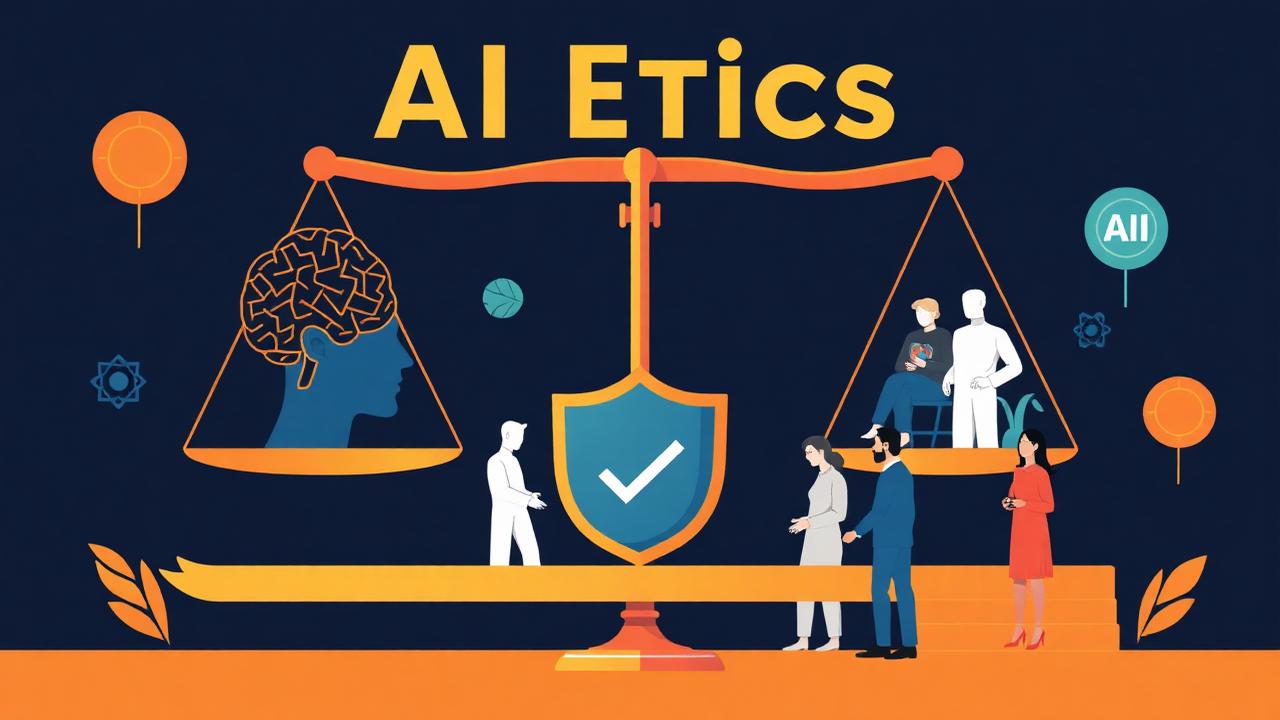
As AI systems become more powerful and widespread, companies are prioritizing responsible AI practices. Professionals who understand AI bias detection, fairness metrics, explainability techniques, and regulatory compliance are increasingly sought after. This includes knowledge of emerging AI regulations and the ability to implement ethical AI frameworks.
Emerging Skills to Watch
Beyond these core areas, several emerging skills are gaining traction:
AI Agent development and autonomous systems
Synthetic data generation for training
Edge AI and on-device machine learning
AI-powered cybersecurity applications
Quantum machine learning fundamentals
How to Build These Skills
The good news is that many resources are available to help you develop these skills. Online courses from platforms like Coursera, fast.ai, and DeepLearning.AI offer structured learning paths. Contributing to open-source AI projects on GitHub provides practical experience. Building personal projects and sharing them on platforms like Hugging Face demonstrates your capabilities to potential employers.
Remember, employers value practical experience alongside theoretical knowledge. Focus on building real projects, documenting your work, and staying current with the rapidly evolving AI landscape. The professionals who combine deep technical skills with the ability to deliver business value will find the most opportunities in 2026's AI job market.
Conclusion
The AI job market in 2026 rewards specialists who can bridge the gap between cutting-edge research and practical applications. By focusing on these in-demand skills and continuously learning, you'll position yourself for success in one of the most dynamic and rewarding fields in technology.